How To Protect Your Dining-room Carpet From The Inevitable Spills And Stains
Most people assume dining-room carpets are a terrible idea. I hear it all the time. They imagine red wine splashed across pale fibres, gravy ground in by chair legs, and a slow decline that ends with replacement. That fear feels fair, yet it misses the truth I see every week while cleaning carpets across Archway and wider North London. Dining-room carpets only fail when no one plans for reality.
The short answer sits right here. You protect your dining-room carpet by planning ahead, choosing forgiving materials, setting the room up for real life, and acting fast when spills happen. Luck plays no part in it. The homes with the least damage expect mess and prepare for it. They treat spills as routine rather than disasters.
A dining room asks more of a carpet than most spaces. Plates hover over laps. Chairs scrape back and forth. Glasses wobble after long conversations. Gravity always wins eventually. That does not mean stains need to settle in or fibres need to suffer. Protection starts before the table even arrives and continues through habits that soon feel automatic.
I have lifted chairs to find pasta sauce crushed deep into wool, all because no one thought about chair movement. I have also cleaned carpets that still look sharp after years of hosting, because the owners made small, sensible choices early on. This article lays out those choices in plain English, shaped by real homes rather than theory.
Choosing The Right Carpet Before The Table Goes In
Most dining-room carpet problems start at the shop, not at the table. People fall for soft piles and pale colours without thinking about how meals actually play out. A carpet can look stunning on a sample board and fail completely under a roast dinner with guests.
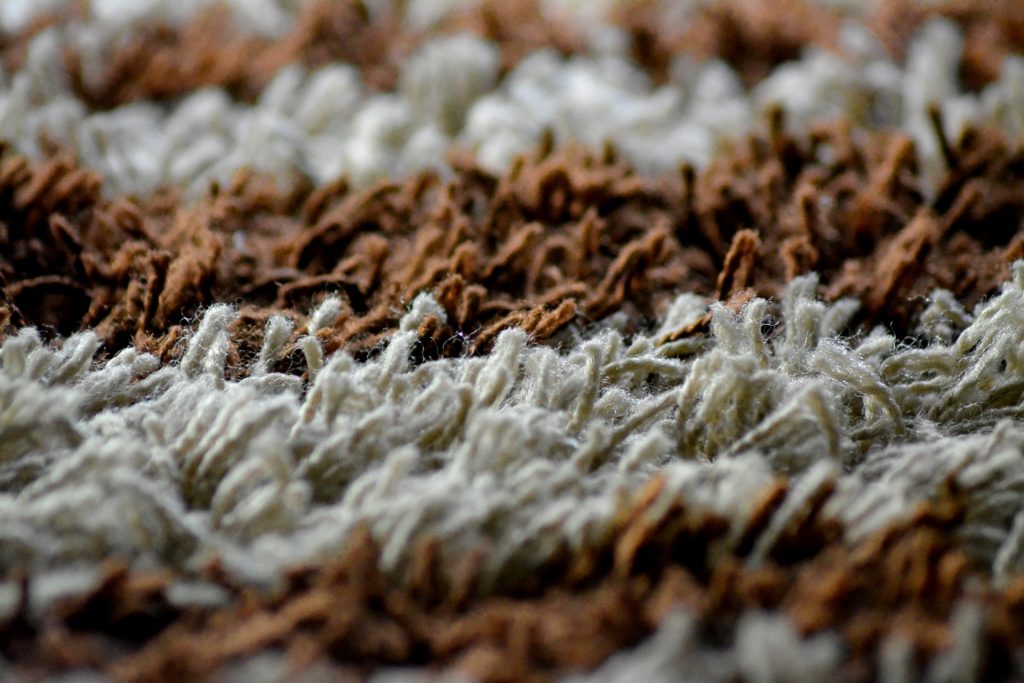
Fibre choice matters more than brand names or price tags. Some materials release spills easily. Others cling to them like glue. Pile height changes everything too. Long fibres trap food and drink fast, then twist them deeper each time a chair moves or someone shifts their weight.
Colour choice gets ignored far too often. Extreme shades show wear and marks sooner than sensible mid-tones. I see light grey and cream carpets in dining rooms across North London that already look tired after a year. The owners always say the same thing. They never expected the room to get this much use.
Fibres, Pile, And Colour That Forgive Mistakes
Wool still performs well in dining rooms, as long as it has a tight twist and a shorter pile. Loose, fluffy wool looks inviting but behaves badly once food enters the room. Synthetic blends cope even better with spills, especially polypropylene, which resists moisture and cleans up fast when treated correctly.
Low-pile or loop styles handle chair traffic far better than deep plush carpets. Food stays closer to the surface, which gives you time to react. Mid-tone colours hide everyday marks without making the room feel dull. Patterns help too. They break up small stains before they catch the eye and invite worry.
Smart Layout Choices That Reduce Spill Damage
Room layout often causes more damage than food itself. Chairs grind crumbs into fibres. Tight gaps force people to twist with plates in hand. Tables placed too close to walkways invite accidents that no cleaner can fully undo.
London dining rooms rarely offer endless space. That reality makes planning even more valuable. A few centimetres of extra clearance can change how people move, sit, and serve food. The carpet feels the benefit quietly over time.
I walk into homes where the carpet already shows wear lines before any spill occurs. The table sits too low. Chairs drag rather than lift. Guests squeeze past corners with drinks raised high. None of this feels dramatic in the moment, yet the damage builds fast.
Table Size, Chair Movement, And Walkways
A table should allow chairs to slide back without scraping the same patch of carpet every time. Chair leg protectors help more than people expect. They reduce friction and stop fibres twisting and fraying under repeated pressure.
Clear walkways keep traffic away from table edges. Plates tilt less when people move freely. Drinks stay steadier. The carpet benefits in ways most homeowners never notice until years pass without visible wear.
Using Rugs And Runners Without Ruining The Room
Many homeowners avoid rugs in dining rooms because they fear clutter or a mismatched look. That fear often costs them a carpet far sooner than planned. A well-chosen rug acts like a shield without stealing attention from the room.
Layered protection works especially well in dining spaces. Rugs take the hit from spills, crumbs, and chair movement. They head off for a wash or clean while the carpet underneath stays protected and presentable.
Modern rugs no longer look like an afterthought. Designs stay slim. Colours stay controlled. Practical features now come as standard, which suits busy households that entertain often.
Washable And Low-profile Options That Actually Work
Flatweave rugs sit neatly under tables and chairs. They trap less food and release it easily during cleaning. Washable rugs suit homes where spills feel constant and unpredictable.
Clear carpet protectors help in smaller rooms where rugs feel bulky. They guard high-risk zones without changing the look of the space. I often lift these during professional cleans and find the carpet beneath in far better condition than expected.
Everyday Habits That Stop Stains Before They Set
Daily behaviour shapes carpet condition more than any product or treatment. The homes with the cleanest dining-room carpets follow simple rules and apply them without fuss.
Shoes stay off during meals. Napkins stay close. Spills get attention straight away. None of this feels extreme or joyless. It simply reduces stress when accidents happen.
I see damage caused by panic scrubbing more often than slow reactions. People grab sprays, rub hard, and drive stains deeper into fibres. Calm action saves carpets far more often than force.
Food Rules, Quick Action, And Carpet-safe Cleaning
Blotting lifts spills. Rubbing spreads them. Cold water beats hot for most food marks. Paper towels work better than cloths that bleed dye or spread grease.
Shop-bought sprays often leave sticky residue that attracts dirt. Plain water handles most fresh spills when used correctly. Professional advice helps if stains linger or darken after drying.
Professional Protection Treatments And When They Pay Off
Some carpets need backup, even with careful owners. Dining rooms see concentrated use that other rooms avoid. Professional treatments add a protective layer that buys valuable reaction time.
I apply stain guards across North London homes where entertaining happens often. These treatments repel liquids and slow absorption. They do not make carpets invincible, yet they change outcomes in a big way.
Regular professional cleaning also plays a role. Dirt acts like sandpaper inside fibres. Removal keeps carpets resilient and stops dull patches forming.
Stain Guards, Maintenance Cleans, And Long-term Value
Stain protection works best after a deep professional clean. The treatment coats fibres evenly and lasts months under normal dining-room use.
Annual or twice-yearly cleans suit most dining rooms. This schedule costs far less than replacement and keeps carpets looking right for longer. Prevention always beats repair once real use begins.